

For forty years, the “bear” movement — les ours in French — has celebrated a different gay masculinity: hairy, round, unapologetic and warm. Born in 1980s San Francisco, it is today a worldwide, festive community founded on friendliness, kindness and inclusivity. A look back at the history of a movement of which Toulouse Bears Occitanie are the heirs.
The origins: San Francisco, 1980s
The word “bear” appeared in 1979 from the pen of George Mazzei, in the magazine The Advocate: a humorous article sorted gay men into several “animals”, including bears — sturdy, heavy-set men, running counter to the slim, hairless urban gay ideal of the time (the “clone”).
Bear culture celebrates a plain, almost working-class masculinity — the lumberjack, the biker. The AIDS epidemic of the 1980s deeply marked this fledgling community: in the face of loss, bears formed chosen families and cultivated solidarity and mutual care. As the historian Les Wright puts it, the bear says something simple: “I am a human being; I give and I receive affection.”
A magazine, a bar, a flag
Three pillars gave the movement its places, its media and its symbol. In 1987, Richard Bulger and the photographer Chris Nelson launched BEAR Magazine, at first a modest photocopied fanzine of 45 copies, which would become an international magazine celebrating the men the glossy gay press ignored. In 1989, Rick Redewill opened the Lone Star Saloon, a bar for “blue-collar” gay men, seen as the cradle of the movement.
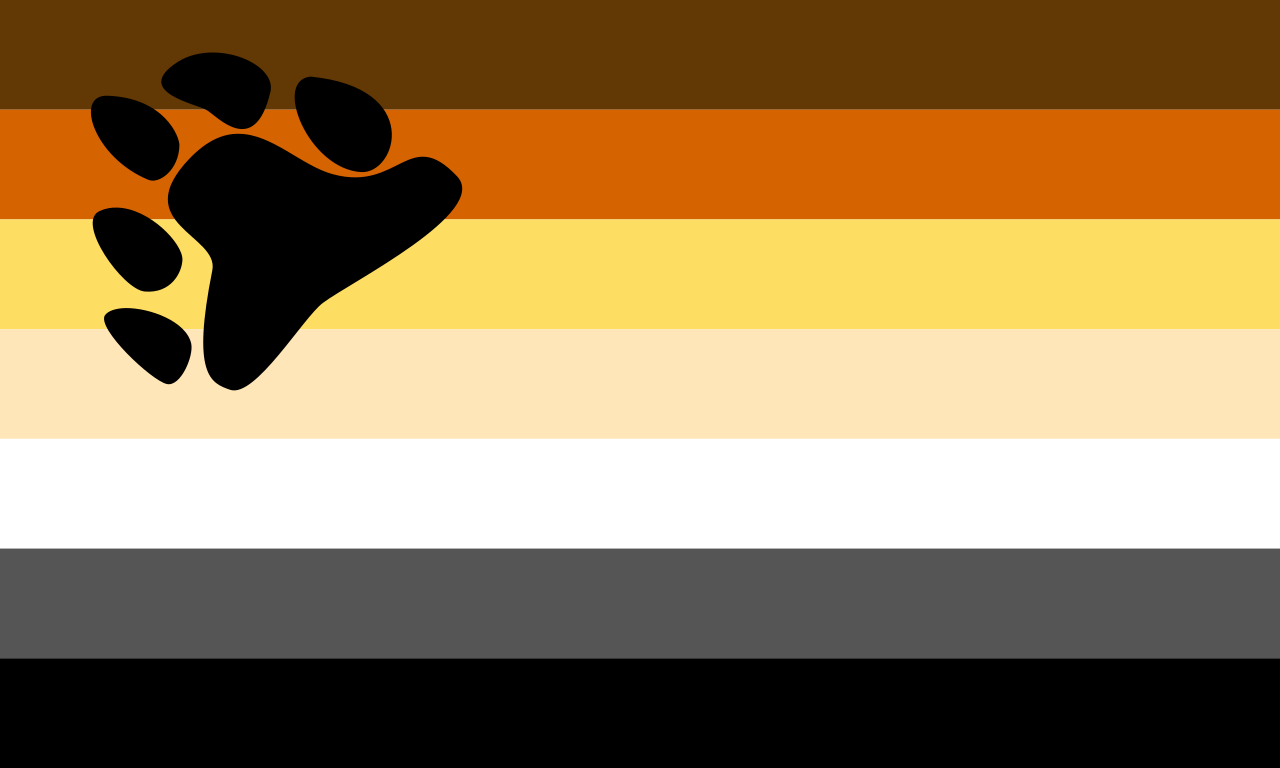
And in 1995, the student Craig Byrnes designed the International Bear Brotherhood flag: seven stripes, from brown to black, with a paw print. Its colours evoke the furs of bears the world over — a symbol of inclusivity.
A movement gone global
Over the years, the community developed a vivid vocabulary: cub (the young bear), otter (slim and hairy), muscle bear, polar bear (the grey-haired bear), daddy… so many sources of pride, and sometimes of debate.
Gatherings multiplied: Provincetown Bear Week in the United States, the “body positive” Bearracuda parties… In Europe, Sitges Bear Week (Spain) is one of the largest bear events in the world, with several thousand attendees; add to it Madrid, Cologne, Brussels, Amsterdam and Reykjavík.

Values, and debates
The bear movement means to be a refuge for the bodies that gay norms long rejected — a bubble of body positivity and kindness. It does not escape its own questions, however: its commercialisation, the real place of trans, racialised or more effeminate people, the effect of dating apps. So many debates running through a community more attached than ever to its ideal of openness.
In France and Occitania
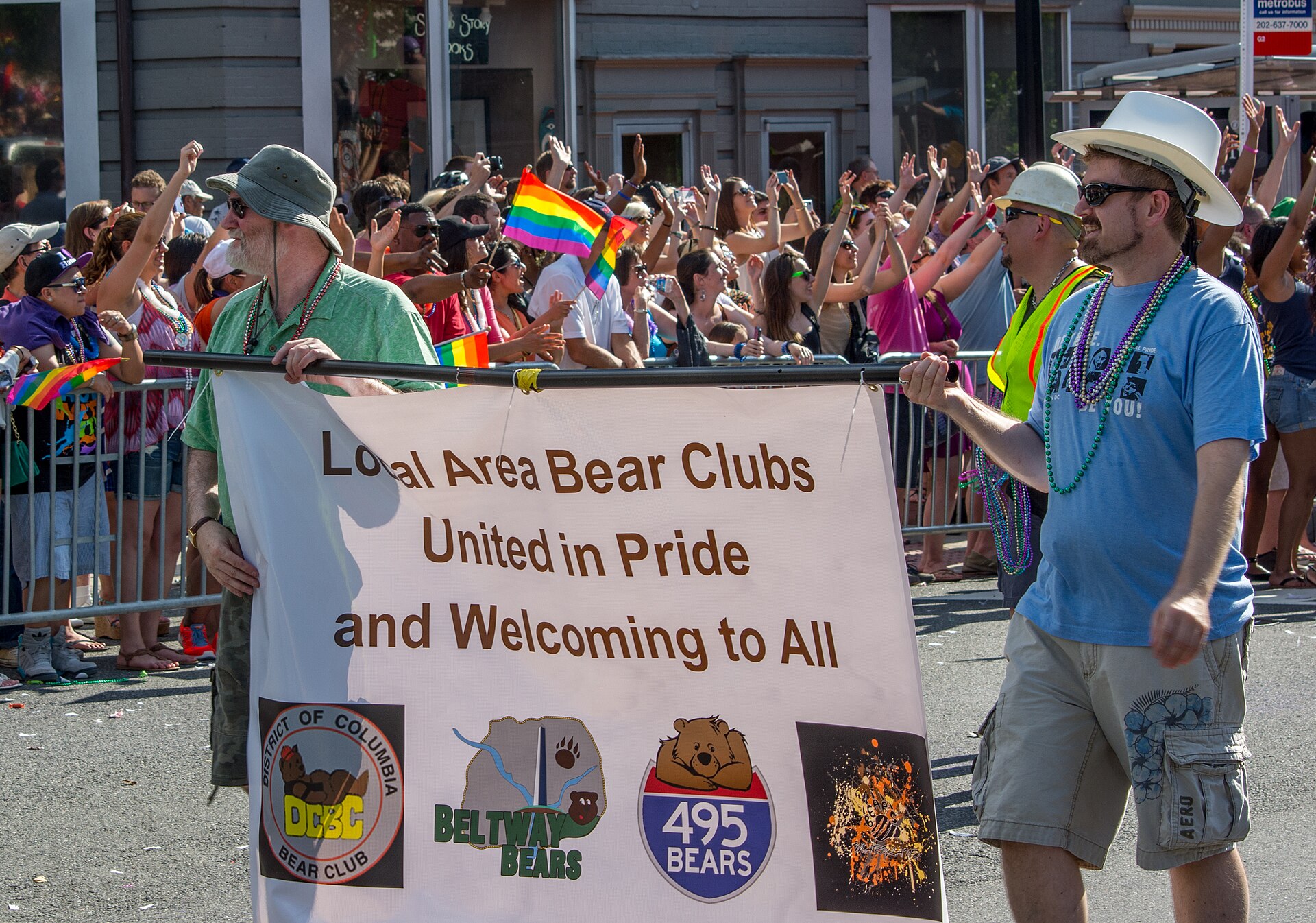
In France, Les Ours de Paris led the way: since 2008, their Fierté Ours has gathered bears and friends from all over France every year, over the Ascension weekend.
In Toulouse, the adventure began with a member who had come from the North — a former member of the Chti’Nours in Lille. The association Toulouse Bears Occitanie was officially registered on 13 March 2018; its first event was the election of Mr Ours Toulouse, in partnership with Jean-Michel’s Bear’s Bar, the bears’ den of the Pink City. Since then, TBO has kept the community alive: drinks, pool parties, hikes, treasure hunts, taking part in Pride… and every year the Toulouse Bear Week with the election of Mister Bear Toulouse.
Its purpose has not changed since the movement began: to fight exclusion based on looks and to fight homophobia, in a spirit of inclusivity and friendliness. Come as you are.
Further reading: The Bear Book (Les Wright, Haworth Press, 1997 & 2001), The Advocate, Bear World Magazine, and the archives of the Bear History Project (Cornell University). The photographs on this page come from Wikimedia Commons, under a Creative Commons licence — credits under each image.